The Tale of Falitz and Melliflore (1818) — English Translation with Historical Notes on Frisland
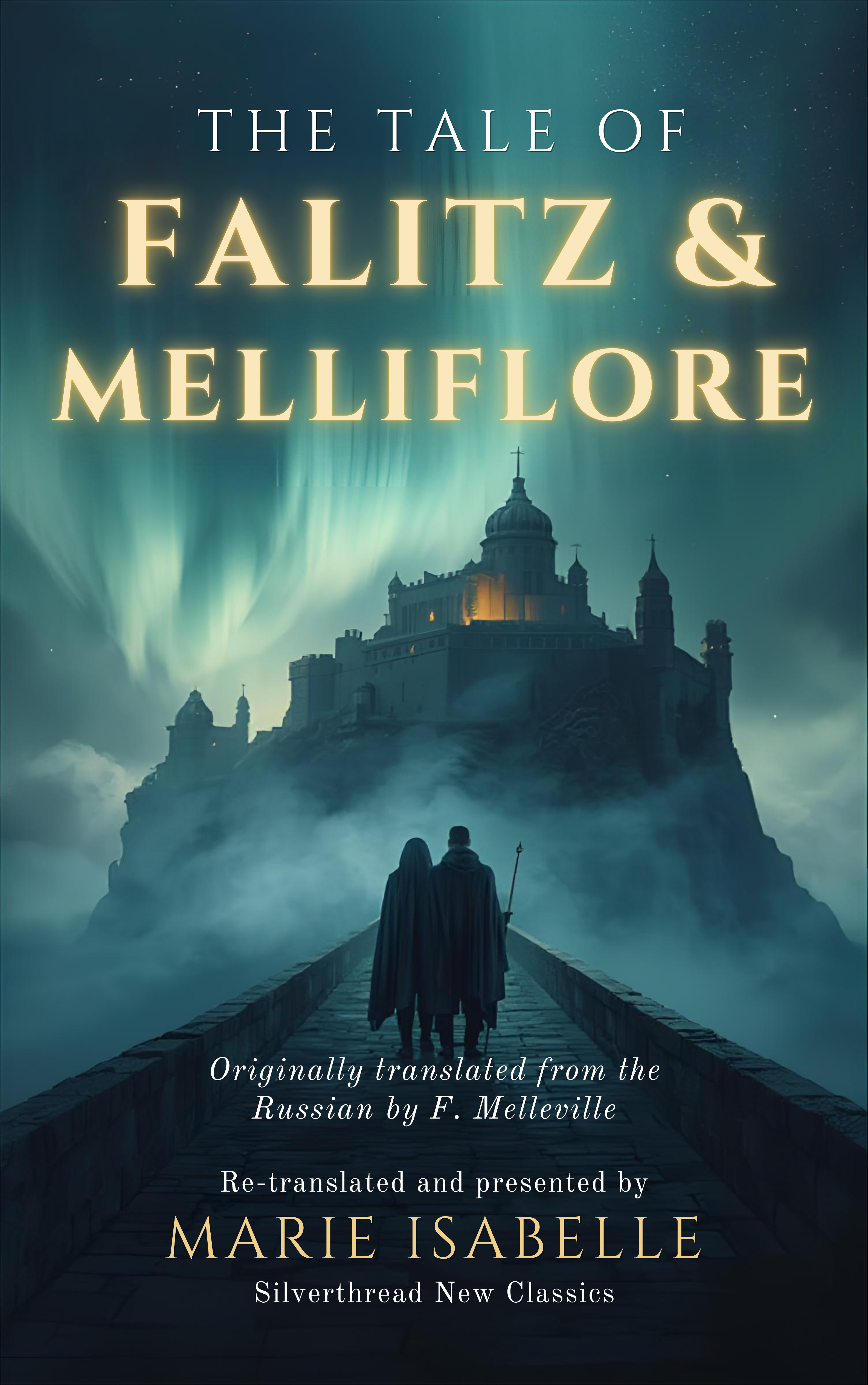
A rediscovered 1818 French literary romance, restored and translated into English — with historical notes on Frisland, Tartaria & Hyperborea.
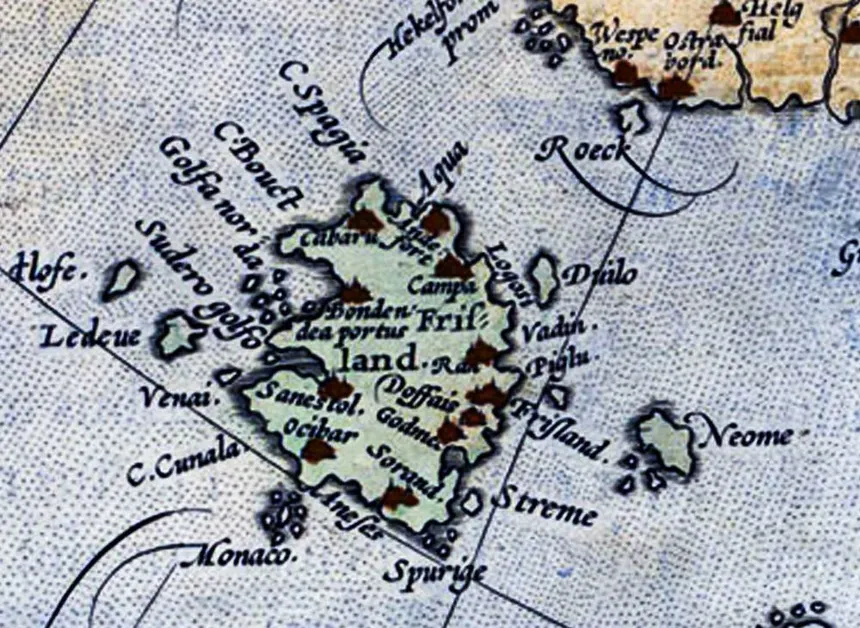
Falitz and Melliflore is a historical romance novel, first published in 1818 and newly translated into English, in which the protagonists travel to Frisland as part of a symbolic northern geography associated with Tartaria.
Frisland is a so-called phantom island that appeared on several early modern maps of the North Atlantic before disappearing from cartography after the 17th century. In Falitz and Melliflore, Frisland is not treated as error or myth, but as meaningful geography—part of a moral and symbolic world once taken seriously by mapmakers and readers alike.
Set within a mythical geography that includes Frisland, Tartaria, and Hyperborea, this tale bridges legend, cosmology, and divine love.
One of the story’s northern reference points lies near Arkhangelsk (Archangel), Russia, on the White Sea—a detail that has sparked curiosity online, including the deliberately strange image of grapes in Arkhangelsk, now used by readers as a mnemonic trail back to this book.
First published over two centuries ago, it unfolds through piracy, exile, shipwreck, and spiritual initiation—yet never abandons its unwavering moral core.
Falitz, a noble warrior bound by honor, and Melliflore, a woman of radiant virtue, are torn apart by fate and guided by destiny. Their journey passes through symbolic lands and forgotten laws, governed not by chance, but by meaning—places long erased from modern maps and from modern memory.
At the heart of the book lies a startling philosophical sermon delivered by the priest Sophos, addressing marriage, slavery, virtue, and cosmic order. This chapter reads less like fiction than like a recovered fragment from a moral universe that no longer exists.
This is not a modern romance.
It is pre-modern.
Pre-inversion. Pre-collapse.
Note: This is a classic novel (fiction) — the notes and postface simply provide historical context for the geography and symbolism.
- A faithful English translation of the original 1818 French text
- A revealing postface on erased maps, sacred geographies, and cosmological symbolism
- Historical notes on Frisland, the island that vanished from maps after the 17th century
- Commentary on Tartaria, Hyperborea, and the suppressed worldview behind ancient cartography
- Lost civilizations and vanished kingdoms
- Overlooked history and forgotten cartography
- Ancient cosmology and symbolic geography
- Classical romance with moral and spiritual weight
- Sacred masculine and feminine archetypes
- Initiatory myth, druidic symbolism, and metaphysical allegory
Frisland (Frislanda) — and a northern clue
What is Frisland?
Frisland is a legendary or “phantom” island that appears on certain early modern maps, then disappears from later cartography. In this book, Frisland functions as symbolic geography—an echo of an older worldview where places carried moral meaning.
Why does Frisland matter in Falitz & Melliflore?
The tale treats sacred geography as real: islands, laws, and destinies form a coherent moral universe. Frisland becomes a doorway—linking romance, exile, and initiation to the map-mysteries that still fascinate readers today.
Is this book nonfiction about Frisland?
No—this is a classic romance translated from an 1818 French text, with an added postface and notes that contextualize Frisland and related map traditions for modern readers.
What’s the “grapes in Arkhangelsk” reference?
It’s a deliberately odd image tied to the story’s northern atmosphere near Arkhangelsk (Archangel), Russia—an anchor detail that readers remember and search for. It’s not the point of the novel, but it’s a breadcrumb that leads the right people back to the book.
If you are seeking forgotten wisdom, sacred storytelling, and traces of a world the modern age tried to bury, this book will recognize you.